What If Aging Wasn’t the Enemy? My Real Talk on Staying Fresh Without Fighting Time
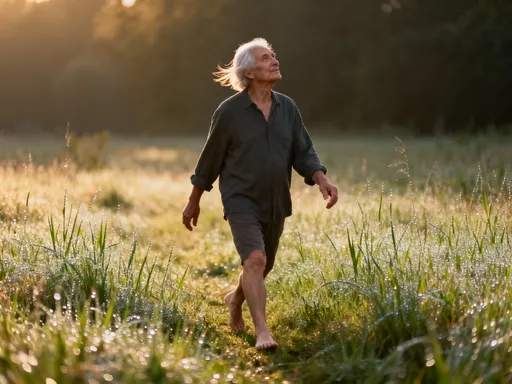
Aging is inevitable, but how we age is within our control. I used to dread fine lines and low energy, thinking they were unavoidable. Then I shifted my mindset—focusing not on fighting age, but on fueling vitality. This isn’t about miracle cures or extreme routines. It’s real, science-backed habits that support your body’s natural rhythm. I tried, tested, and lived them. Here’s what actually works to feel younger from the inside out. The journey isn’t about turning back time, but about moving forward with strength, clarity, and joy. True wellness isn’t measured in years, but in how alive you feel every day.
The Mindset Shift: Why “Anti-Aging” Misses the Point
For decades, the narrative around aging has been framed as a battle. Wrinkles are enemies. Gray hair is a defeat. Slower recovery is a sign of failure. But what if this constant fight is doing more harm than good? The truth is, the more we resist aging, the more stress we invite—and stress, as science now confirms, accelerates biological aging. The concept of “anti-aging” often promotes fear rather than health, pushing people toward extreme diets, invasive procedures, and unsustainable habits. Instead of asking, “How can I look 25 again?” a better question is, “How can I feel strong, energized, and vibrant at every stage of life?”
Shifting from fear to empowerment changes everything. When we stop viewing age as an enemy, we open space for self-acceptance, which is a powerful foundation for long-term well-being. Research from Harvard and the Mayo Clinic shows that individuals who hold positive beliefs about aging live, on average, seven and a half years longer than those with negative views. This isn’t just mindset—it’s biology. Stress hormones like cortisol increase when we feel anxious about our appearance or energy levels, leading to inflammation, weakened immunity, and disrupted sleep. By contrast, accepting natural changes while actively supporting our health creates a balanced, sustainable approach.
What truly matters isn’t how long we live, but how well we live—this is known as healthspan. A long life filled with fatigue, pain, and disconnection isn’t the goal. The goal is to maintain mobility, mental clarity, emotional resilience, and joy well into later years. This requires a shift from chasing youth to cultivating vitality. Self-acceptance doesn’t mean giving up on health; it means pursuing it from a place of care, not shame. When we treat our bodies with kindness—honoring their changes while supporting their needs—we create the conditions for lasting wellness.
Embracing this mindset also frees us from the trap of comparison. Social media often showcases filtered, curated images of “ageless” beauty, creating unrealistic standards. But real life isn’t a highlight reel. Real aging includes softening skin, changing energy patterns, and evolving priorities. The most powerful act of self-care is to redefine success—not by how youthful we appear, but by how engaged, present, and capable we feel. This internal shift lays the foundation for every other healthy habit to take root.
Cellular Aging: What’s Actually Happening Inside? (And Why It Matters)
Beneath the surface, aging is a cellular process influenced by both time and lifestyle. Three key players—telomeres, oxidative stress, and inflammation—shape how quickly our cells age. Telomeres are protective caps at the ends of our chromosomes, like the plastic tips on shoelaces. Each time a cell divides, these caps shorten. When they become too short, the cell can no longer divide and becomes dormant or dies. Shorter telomeres are linked to aging and age-related diseases. But here’s the hopeful part: lifestyle choices can slow this shortening. Studies from the University of California, San Francisco, show that stress management, quality sleep, and regular physical activity are associated with longer telomeres.
Oxidative stress is another factor. It occurs when there’s an imbalance between free radicals—unstable molecules produced by normal metabolism and environmental factors—and antioxidants, which neutralize them. Too many free radicals damage cells, proteins, and DNA, accelerating aging. This process is like rust forming on metal. But just as we protect metal with coatings, our bodies can be protected with antioxidant-rich foods—berries, leafy greens, nuts, and colorful vegetables. These foods don’t stop aging, but they reduce the damage that contributes to premature decline.
Inflammation is the third major driver. While acute inflammation helps the body heal, chronic low-grade inflammation—often caused by poor diet, lack of sleep, and ongoing stress—contributes to joint pain, brain fog, and increased risk for heart disease and diabetes. The good news is that lifestyle changes can lower inflammation markers. A study published in the journal Nature found that individuals who followed a plant-rich diet, exercised regularly, and managed stress had significantly lower levels of C-reactive protein, a key inflammation marker.
The takeaway? We can’t stop time, but we can influence how our cells respond to it. The goal isn’t to punish the body with extreme regimens, but to support its natural ability to repair and renew. Recovery—through rest, nutrition, and calm—is more important than intensity. Every healthy choice, from choosing a piece of fruit over a processed snack to taking five deep breaths during a stressful moment, sends a signal to your cells: you are supported. Over time, these signals add up, creating a cellular environment that resists premature aging and promotes resilience.
Move Smarter, Not Harder: The Exercise Formula That Sustains Youth
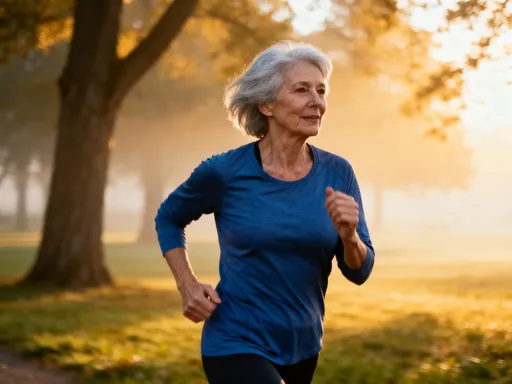
When it comes to aging well, movement is non-negotiable—but intensity isn’t the goal. Many people believe they need hour-long workouts or high-impact classes to stay fit. But for long-term vitality, consistency matters far more than intensity. The real secret? A balanced mix of strength, mobility, and recovery. These three types of movement work together to maintain muscle mass, joint health, and energy levels—key pillars of healthy aging.
Strength training is essential because we naturally lose muscle mass as we age—a process called sarcopenia. After 30, adults lose 3–5% of muscle per decade, leading to weakness, slower metabolism, and higher fall risk. But resistance exercises—even with light weights or bodyweight—can slow and even reverse this decline. A study from Tufts University found that older adults who did strength training two to three times a week increased muscle strength by up to 50% in just ten weeks. You don’t need a gym: squats, wall push-ups, and resistance bands can be done at home with minimal equipment.
Mobility work keeps joints flexible and movement effortless. Think of it as preventive maintenance. Tight hips or stiff shoulders may seem minor, but over time, they lead to imbalance, poor posture, and injury. Simple daily stretches, yoga flows, or tai chi improve range of motion and coordination. One 65-year-old woman I spoke with started doing a 10-minute morning stretch routine and found she could garden longer, carry groceries more easily, and sleep better—all within three weeks.
Recovery is the third, often overlooked, component. This includes rest days, gentle walks, and mindful movement like stretching or swimming. These activities support circulation, reduce inflammation, and allow muscles to repair. Overtraining, on the other hand, increases cortisol and oxidative stress—speeding up aging. The best routine is one you can stick with. For most people, 20–30 minutes of movement most days of the week is more effective than two intense sessions and five days of inactivity. A sustainable routine might include: Monday—strength; Tuesday—mobility; Wednesday—gentle walk; Thursday—strength; Friday—stretching; weekend—active rest like gardening or dancing. The key is enjoyment. When movement feels good, it becomes a habit, not a chore.
Fueling Longevity: Eating for Energy, Not Perfection
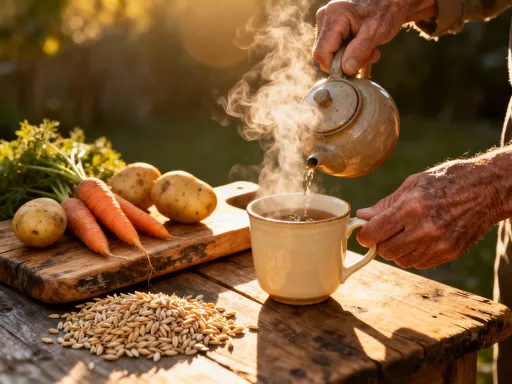
Nutrition plays a central role in how we age, but it doesn’t require perfection. The goal isn’t to follow a restrictive diet, but to build a plate that supports energy, reduces inflammation, and satisfies the soul. The most effective approach is the anti-inflammatory plate: rich in whole foods, colorful plants, healthy fats, and lean proteins. This isn’t a trend—it’s a pattern seen in the world’s longest-living populations, from Okinawa to the Mediterranean.
Processed foods, on the other hand, accelerate aging. They’re often high in refined sugars, unhealthy fats, and additives that spike blood sugar and promote inflammation. A study in The American Journal of Clinical Nutrition found that people who consumed more ultra-processed foods had shorter telomeres, a sign of faster cellular aging. The good news? You don’t have to eliminate all treats. The focus is on shifting the balance—eating whole foods 85–90% of the time, leaving room for enjoyment without guilt.
Meal timing also matters. Eating in rhythm with your body’s natural clock—such as having breakfast within an hour of waking and finishing dinner three hours before bed—supports metabolism and sleep. Irregular eating patterns, like skipping meals or late-night snacking, disrupt insulin sensitivity and hormone balance. One simple practice is to aim for a 12-hour window of eating—for example, 8 a.m. to 8 p.m.—giving your digestive system a rest each night.
Practical swaps make healthy eating effortless. Instead of sugary cereal, try oatmeal with berries and nuts. Replace white bread with whole grain or sourdough. Choose grilled fish or beans over processed meats. Keep chopped vegetables in the fridge for quick snacks. A go-to meal might be a large salad with leafy greens, roasted vegetables, chickpeas, avocado, and a lemon-olive oil dressing—delicious, filling, and packed with nutrients. The key is simplicity. When healthy eating fits into real life, it lasts.
Sleep: The Silent Superpower Nobody Talks About Enough
Sleep is one of the most powerful, yet underused, tools for healthy aging. During deep sleep, the body repairs tissues, balances hormones, and clears waste from the brain. Poor sleep doesn’t just leave you tired—it accelerates aging at the cellular level. Research from the University of Chicago shows that just four nights of poor sleep can impair insulin sensitivity as much as a year of aging. Another study found that adults who sleep less than six hours per night have higher levels of inflammatory markers and shorter telomeres.
The brain also depends on sleep for memory consolidation and cognitive function. During deep sleep, the glymphatic system—your brain’s cleaning system—becomes 60% more active, flushing out toxins linked to Alzheimer’s disease. Without enough quality rest, mental clarity fades, mood dips, and focus suffers. Yet, many women in their 30s to 50s report poor sleep due to stress, hormonal changes, or busy schedules. The good news is that small changes can lead to big improvements.
Start by creating a consistent bedtime—going to sleep and waking up at the same time every day, even on weekends. This regulates your circadian rhythm. Avoid screens for at least an hour before bed; blue light suppresses melatonin, the sleep hormone. Instead, try reading, light stretching, or listening to calming music. Keep your bedroom cool, dark, and quiet. If you struggle with nighttime thoughts, a simple practice is to write down your to-do list earlier in the evening, clearing mental clutter.
One woman I coached adopted a night routine: 8:30 p.m.—shut off work emails; 9:00 p.m.—herbal tea and light stretch; 9:30 p.m.—read a book; 10:00 p.m.—lights out. Within two weeks, she reported deeper sleep, more morning energy, and better mood. Sleep isn’t a luxury—it’s a pillar of vitality. When you prioritize rest, you give your body the time it needs to renew, repair, and thrive.
Stress Reset: How Calm Becomes a Longevity Habit
Chronic stress is one of the most silent yet powerful accelerators of aging. Unlike short-term stress, which can be motivating, long-term stress keeps the body in a constant state of fight-or-flight. This floods the system with cortisol and adrenaline, raising blood pressure, weakening immunity, and increasing inflammation. Over time, this wears down the body and mind. Yet, in many cultures, being “busy” is worn like a badge of honor. The truth? Constant busyness isn’t productivity—it’s a health risk.
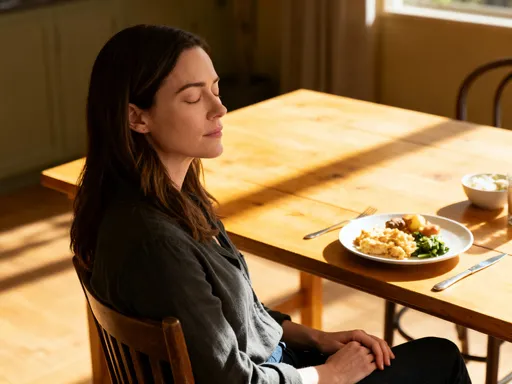
The good news is that calm can be cultivated through small, daily practices. You don’t need hours of meditation or weekend retreats. Micro-moments of reset—just a few deep breaths, a pause between tasks, or a brief walk outside—can shift your nervous system from stress to rest. Deep breathing, for example, activates the parasympathetic nervous system, slowing heart rate and lowering cortisol. Try this: inhale for four counts, hold for four, exhale for six. Repeat three times. This simple act can reset your state in under a minute.
Another powerful tool is unplugging. Constant notifications, emails, and social media keep the brain in overdrive. Setting boundaries—like no phones during meals or after 8 p.m.—creates space for mental recovery. One mother of two started a “digital sunset” at 7:30 p.m., replacing scrolling with journaling or quiet conversation. She noticed she felt calmer, slept better, and had more patience with her family.
Building resilience isn’t about avoiding stress—it’s about recovering from it. Just as muscles grow stronger with rest after exercise, the mind grows more resilient with regular pauses. Over time, these micro-practices become habits that protect your health. Calm isn’t the absence of chaos; it’s the ability to stay centered within it. And that, more than any supplement or serum, is true anti-aging.
The Social Side of Staying Young: Connection as Medicine
Human connection is a powerful, often overlooked, factor in healthy aging. Loneliness isn’t just emotionally painful—it’s physically harmful. A meta-analysis from Brigham Young University found that chronic loneliness increases the risk of early death by 26%, comparable to smoking 15 cigarettes a day. Social isolation is linked to higher rates of heart disease, depression, and cognitive decline. On the flip side, strong social ties are associated with longer life, better mental health, and sharper thinking.
Meaningful interactions—whether with family, friends, or community—stimulate the brain, reduce stress, and boost mood. Laughter, conversation, and shared activities release oxytocin and endorphins, natural chemicals that promote well-being. One 58-year-old woman joined a weekly book club and found not only new books but renewed energy and mental engagement. “I look forward to our meetings all week,” she said. “It keeps my mind active and my heart full.”
The good news? You don’t need a large social circle. Quality matters more than quantity. Even small moments of connection—calling a friend, sharing a meal, volunteering—can make a difference. The key is consistency. Make time for people who uplift you, and be present when you’re together. Put the phone away, listen deeply, and share honestly. These moments aren’t just nice—they’re necessary for health.
Community also provides purpose, another key to longevity. People who feel they have a role, a contribution, or a reason to get up in the morning tend to age more vibrantly. Whether it’s mentoring, gardening, teaching, or caring for a pet, having a sense of purpose activates motivation and resilience. Connection, laughter, and purpose aren’t luxuries—they’re medicine. And they’re free, accessible, and available at every age.
Aging Forward—With Strength, Not Fear
Aging doesn’t have to be a decline. It can be a journey of growing stronger, wiser, and more alive. The real keys aren’t found in expensive creams or extreme diets, but in daily choices: a mindset of acceptance, movement that supports the body, food that fuels without guilt, sleep that restores, and connection that nourishes. These aren’t quick fixes—they’re lifelong practices that compound over time.
It’s not about looking younger. It’s about living better. Feeling strong when you carry groceries. Having clear thoughts when you read. Laughing deeply with friends. Waking up with energy. These are the signs of true vitality. And they’re available to anyone willing to make small, consistent changes.
Every step counts. Choosing a walk over scrolling. Cooking a nourishing meal. Calling a friend. Taking three deep breaths. These moments may seem small, but they shape how you age. Over time, they build resilience, energy, and joy. The goal isn’t to resist time, but to move with it—gracefully, powerfully, and peacefully.
Embrace the years you’ve been given. Honor your body. Care for your mind. Connect with your people. Because the best way to age isn’t by fighting it—it’s by living it, fully and freely. True vitality starts not with a product, but with peace. And that’s a journey worth taking.